WILMINGTON HISTORY
Spanning Centuries from the River to the Sea
Posted: February 28, 2022 by Katie Moore
In a city known for its historical significance, you can look in any direction in Wilmington and find yourself transported back to a time of struggle, triumph and adventure. Established in 1739, this Port City has survived the ravages of war from the Revolutionary War, the Civil War, and WWII, with architecture and historical indicators intact, and is still thriving today.
Throughout this time, the Cape Fear River has been the primary influence on the area, providing a pathway for trade and industry. Wilmington gradually made navigational improvements, adopting the tools necessary to improve the city’s industries and overall appeal. The invention of steam-powered vessels and rail services led to further advancements, allowing the city to remain North Carolina’s largest town from 1840 until around 1910.
During the 1800s, cotton was king and so was Wilmington’s port. Home to some of the largest and most active cotton export companies in the world, Wilmington grew its reputation both at home and abroad. The city’s strategic location ensured cotton was not the only good passing through the port. During the Civil War, Wilmington served as the access point for a significant bulk of Confederate supplies, including clothing, munitions, and food. The Rebel forces’ supplies were cut after blockade runners could no longer pass through the Union line of defense. In 1865, the Confederacy lost its last open supply line when Fort Fisher fell to its demise, causing Wilmington to surrender to Union forces.
To commemorate contributions by Wilmington to the World War II home-front war effort, on Sept. 2, 2020 — 75 years to the day after the war ended — Wilmington became the first city in the country to be designated an "American World War II Heritage City." To receive this national designation, the city had to meet specific criteria outlined by Congress, including efforts to preserve WWII heritage, restoration of wartime facilities, and recognition of veterans. Wilmington contributed to the war through defense manufacturing, production of foodstuffs and consumer items for the armed forces, war bond drives, volunteer participation and more.
The Battleship NORTH CAROLINA is a reminder of Wilmington’s role in WWII. Credited with 15 battle stars, this ship honors more than 10,000 North Carolina men and women who died defending America’s freedom. Wilmington also helped support the war by building and delivering 243 ships to the Allied war effort and was home to a POW camp and one of the country’s oldest remaining USO buildings, the Hannah Block USO, where today visitors can experience their WWII homefront heritage lobby display. Take a self-guided tour of Wilmington-area WWII sites using the WWII Heritage Guide Map to learn about the many other attractions, facilities and activities commemorating this important era, including Fort Fisher State Historic Site where WWII soldiers were trained and Fort Fisher State Recreation Area where a WWII bunker remains a hidden gem today. Exhibits at the Cape Fear Museum of History and Wilmington Railroad Museum also interpret Wilmington’s role during World War II.
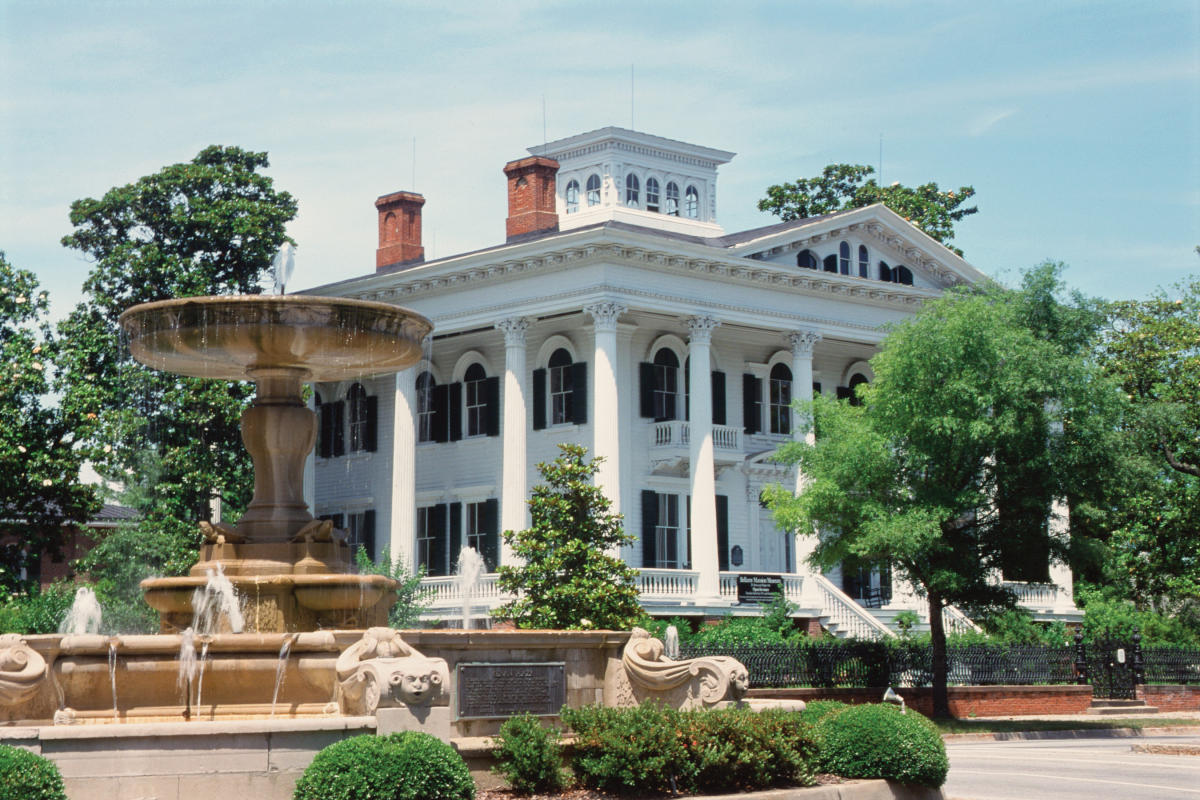
If your favorite pastime is “past times,” explore the Wilmington area with a guided or self-guided tour or with a history app. With three historic homes open to visitors, seven districts on the National Register of Historic Places, a preserved Civil War Fort and WWII Battleship, sacred grounds where legends and lore live on await your visit.
To read the entire story, click here.
Adapted from https://www.wilmingtonandbeaches.com